
लेख: Makar Sankranti & Gajak: The Sweet Tradition Explained
Makar Sankranti & Gajak: The Sweet Tradition Explained
Every January, as India celebrates Makar Sankranti, homes across the country fill with the aroma of sesame and jaggery. But have you ever wondered why Gajak and Til sweets are so integral to this festival?
The Cultural Significance
Makar Sankranti marks the sun's transition into Capricorn and the beginning of longer days. In traditional Indian culture, sesame seeds (til) and jaggery (gud) are considered warming foods, perfect for the winter season. Sharing Gajak during Makar Sankranti symbolizes spreading warmth, sweetness, and good wishes.
Health Benefits of Winter Sweets
Our ancestors knew what modern science confirms: sesame seeds are packed with nutrients that help keep the body warm during winter. They're rich in:
- Healthy fats that provide energy
- Calcium for strong bones
- Iron for blood health
- Antioxidants for immunity
Jaggery, unlike refined sugar, retains minerals and is believed to aid digestion and provide sustained energy.
The Rajasthani Connection
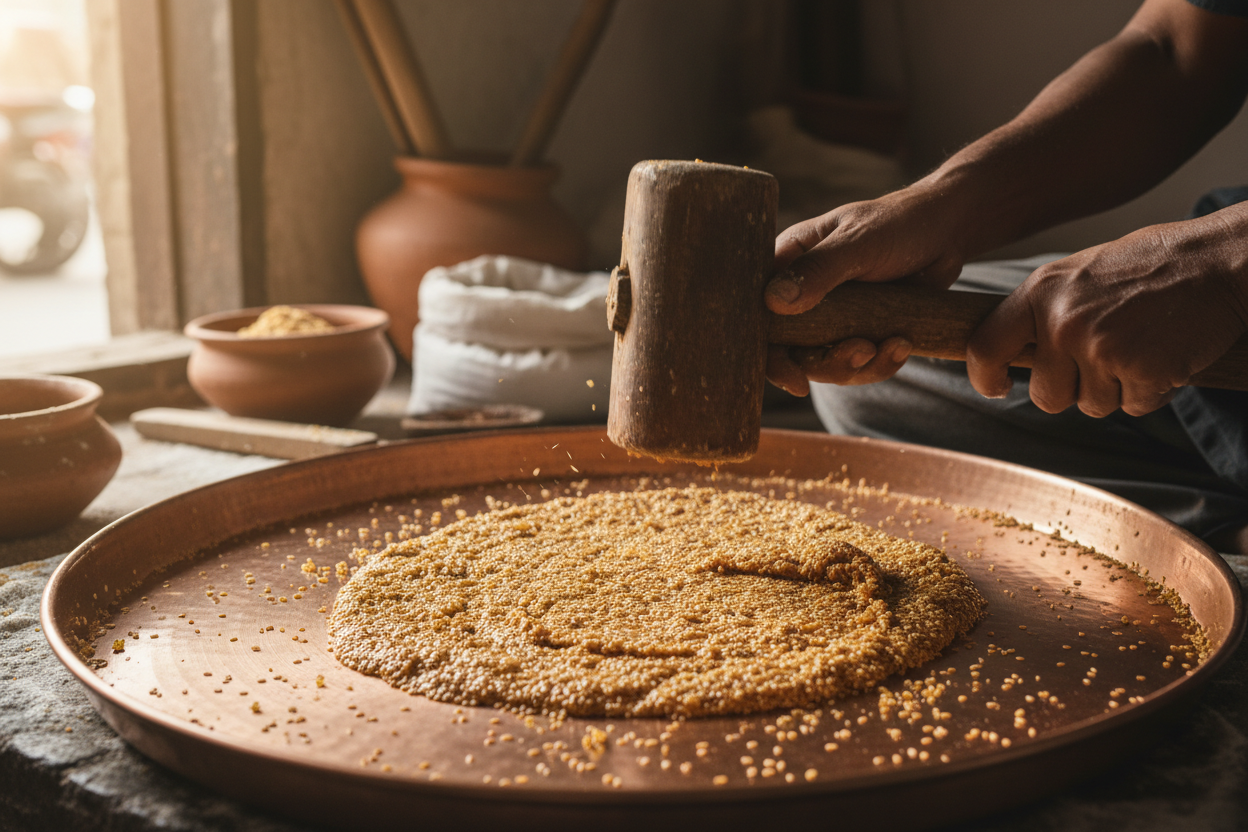
In Rajasthan, where winters can be surprisingly cold, Gajak-making became an art form. Families would gather to prepare batches of this nutritious sweet, sharing them with neighbors and relatives as a gesture of goodwill.
Celebrating Tradition Today
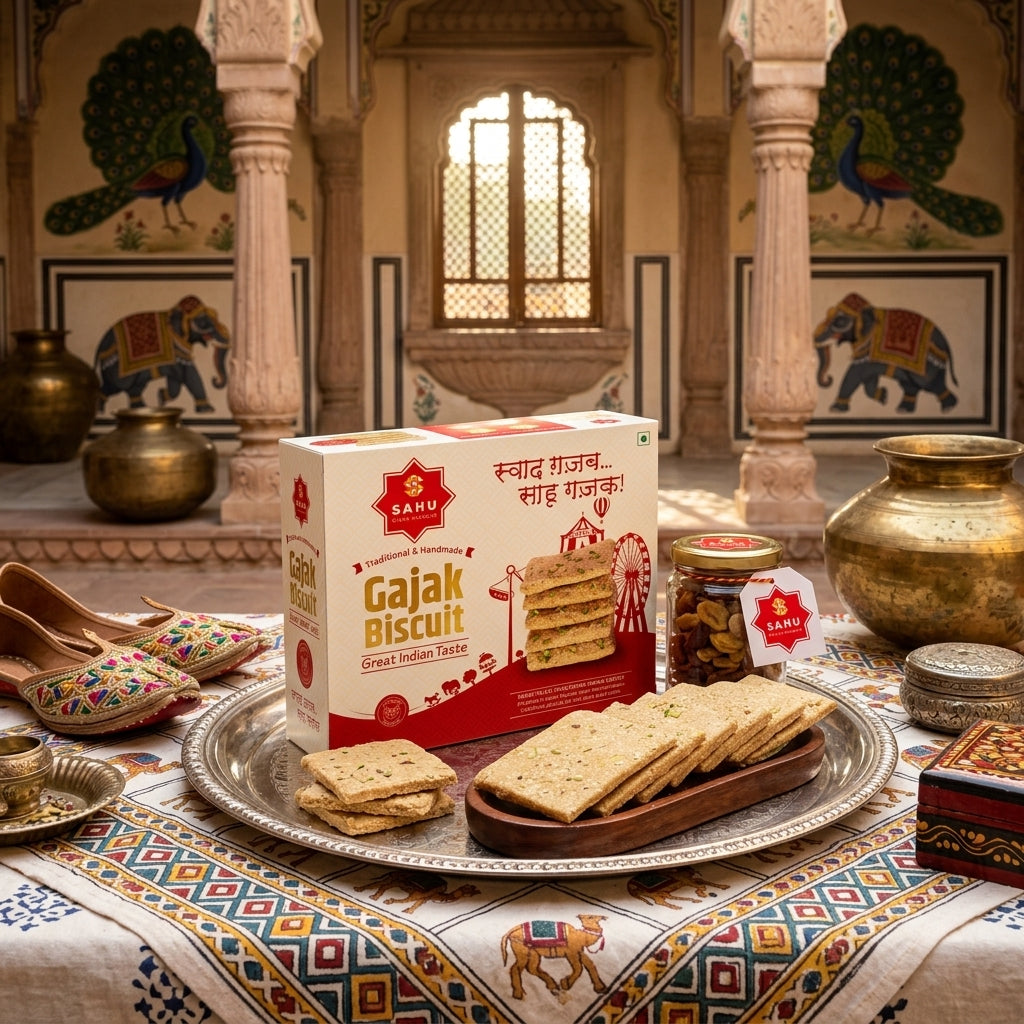
At Sahu Gajak Bhandar, we proudly continue a legacy passed down through generations, preparing Gajak the same way our forefathers once did. When you share our Gajak during Makar Sankranti, you're not just enjoying a sweet — you're becoming part of a tradition that connects generations.
Make your Makar Sankranti celebration authentic with traditional Rajasthani Gajak. Order now for timely delivery.