

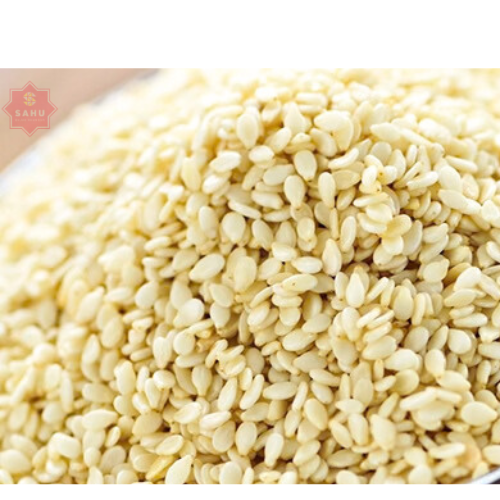
Sesame Seeds 101: Nutrition Facts and Benefits
Sesame seeds - those tiny powerhouses at the heart of our Gajak - are among the oldest oilseed crops known to humanity. Let's explore why these small seeds pack such impressive nutritional benefits.
Nutritional Profile
Macronutrients (per 100g)
- Calories: 573 kcal
- Protein: 18g (excellent plant-based protein)
- Fat: 50g (mostly healthy unsaturated fats)
- Carbohydrates: 23g
- Fiber: 12g (supports digestive health)
Vitamins
- Vitamin B1 (Thiamine): 0.79mg - Energy metabolism
- Vitamin B3 (Niacin): 4.5mg - Skin and nerve health
- Vitamin B6: 0.79mg - Brain development
- Vitamin E: 0.25mg - Antioxidant protection
- Folate: 97mcg - Cell growth and DNA synthesis
Minerals
- Calcium: 975mg - Bone health (more than milk!)
- Iron: 14.6mg - Blood health and energy
- Magnesium: 351mg - Muscle and nerve function
- Phosphorus: 629mg - Bone and teeth strength
- Zinc: 7.8mg - Immunity and wound healing
- Copper: 4mg - Iron absorption
- Manganese: 2.5mg - Bone formation
Health Benefits
1. Bone Health Champion
Sesame seeds are exceptionally rich in calcium, magnesium, and phosphorus - the trio essential for strong bones. Just 100g provides nearly 100% of daily calcium needs!
2. Heart Health Support
The healthy fats in sesame seeds (omega-6 fatty acids) help:
- Lower bad cholesterol (LDL)
- Reduce inflammation
- Support cardiovascular function
- Maintain healthy blood pressure
3. Blood Sugar Management
Sesame seeds have a low glycemic index and contain compounds that may help regulate blood sugar levels, making them suitable for diabetics when consumed in moderation.
4. Antioxidant Powerhouse
Sesame seeds contain unique antioxidants:
- Sesamol: Protects cells from damage
- Sesamin: Anti-inflammatory properties
- Sesamolin: Supports liver health
- Vitamin E: Skin and immune protection
5. Digestive Health
High fiber content (12g per 100g) promotes:
- Regular bowel movements
- Healthy gut bacteria
- Better nutrient absorption
- Reduced bloating
6. Skin and Hair Benefits
Zinc, vitamin E, and healthy fats in sesame seeds:
- Promote skin elasticity
- Reduce inflammation and acne
- Strengthen hair follicles
- Prevent premature graying
7. Energy and Vitality
B vitamins and iron in sesame seeds combat fatigue and support energy production at cellular level.
8. Immune System Support
Zinc, selenium, and copper work together to strengthen immune response and fight infections.
Types of Sesame Seeds
White Sesame Seeds
Most common variety, mild flavor, used in Gajak and most Indian sweets. Hulled (outer shell removed) for easier digestion.
Black Sesame Seeds
Unhulled, richer flavor, higher antioxidant content. Popular in East Asian cuisine and some traditional Indian preparations.
Brown Sesame Seeds
Partially hulled, middle ground between white and black in flavor and nutrition.
Sesame in Traditional Medicine
Ayurvedic Perspective
In Ayurveda, sesame seeds (til) are considered:
- Warming: Ideal for winter consumption
- Vata-balancing: Grounding and nourishing
- Ojas-building: Enhances vitality and immunity
- Bone-strengthening: Especially for aging
Traditional Chinese Medicine
Black sesame seeds are valued for:
- Nourishing liver and kidneys
- Preventing premature graying
- Improving vision
- Moistening intestines
Sesame Seed Processing
Roasting Benefits
Roasting sesame seeds (as we do for Gajak):
- Enhances nutty flavor
- Improves digestibility
- Increases antioxidant availability
- Creates appealing aroma
- Extends shelf life
Oil Extraction
Sesame oil retains many seed benefits and is used in cooking and traditional medicine.
Incorporating Sesame Seeds in Diet
Traditional Ways
- Gajak and til laddoos (winter sweets)
- Til chutney with meals
- Sprinkled on salads and vegetables
- Mixed in dough for rotis
- Tahini (sesame paste) in dips
Modern Applications
- Smoothie toppings
- Granola and energy bars
- Salad dressings
- Baked goods
- Protein balls
Recommended Daily Intake
While sesame seeds are nutritious, moderation is key:
- General health: 1-2 tablespoons (15-30g) daily
- Bone health: 2-3 tablespoons for calcium boost
- Weight management: 1 tablespoon (high calorie density)
Our Gajak provides a delicious way to incorporate sesame seeds into your diet!
Precautions and Considerations
Allergies
Sesame allergy is increasingly common. If you experience reactions, avoid sesame products.
Oxalates
Sesame seeds contain oxalates. Those with kidney stones should consult healthcare providers.
Calorie Density
While nutritious, sesame seeds are calorie-dense. Enjoy in appropriate portions.
Quality Matters
At Sahu Gajak Bhandar, we use:
- Fresh sesame from winter harvest
- Premium quality seeds - no fillers
- Traditional roasting for optimal nutrition
- Careful storage to preserve freshness
- No artificial additives or preservatives
The Bottom Line
Sesame seeds are nutritional powerhouses that have sustained human health for millennia. When you enjoy our Gajak, you're not just savoring a traditional sweet - you're nourishing your body with one of nature's most complete foods.
Experience the nutritional benefits of premium sesame seeds in our authentic Gajak!