
The Science Behind Perfect Gajak Texture
What makes Gajak crispy, flaky, and perfectly textured? While our artisans rely on generations of experience, fascinating science explains why traditional methods create superior results. Let's explore the chemistry and physics behind perfect Gajak.
The Chemistry of Jaggery
Sugar Crystallization
Jaggery contains sucrose, glucose, and fructose. When heated:
- Sucrose molecules break down (inversion)
- Water evaporates, concentrating sugars
- Mixture reaches specific temperature (hard crack stage: 300-310°F)
- Upon cooling, sugars form amorphous (non-crystalline) structure
This amorphous structure creates Gajak's characteristic snap and prevents graininess.
Maillard Reaction
When jaggery heats, Maillard reactions occur between sugars and amino acids:
- Creates complex flavors and aromas
- Develops golden-brown color
- Produces hundreds of flavor compounds
- Adds depth that white sugar cannot achieve
This is why jaggery-based Gajak has richer, more complex taste than sugar-based versions.
The Physics of Sesame Seeds
Oil Release Mechanism
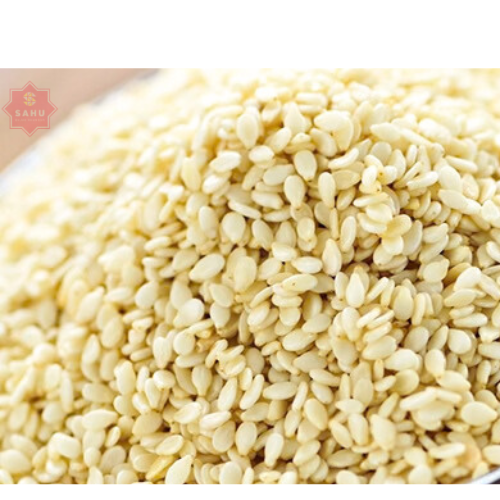
Sesame seeds contain 50% oil by weight. Hand-hammering:
- Ruptures seed cell walls mechanically
- Releases oil gradually and evenly
- Creates emulsion with jaggery
- Binds mixture without additional fat
Why machines fail: Rapid mechanical pressing crushes seeds too quickly, releasing oil unevenly and creating dense, oily texture instead of crispy layers.
Roasting Chemistry
Roasting sesame seeds before use:
- Reduces moisture content (critical for crispness)
- Develops nutty flavor through pyrazine formation
- Denatures proteins, improving digestibility
- Creates Maillard reaction products
- Extends shelf life by reducing enzyme activity
The Art of Temperature Control
Critical Temperature Stages
Thread Stage (230-235°F): Too early - Gajak won't set properly
Soft Ball (235-240°F): Still too soft for crispy Gajak
Hard Ball (250-265°F): Getting closer but not quite there
Hard Crack (300-310°F): Perfect! Creates crispy, glass-like texture
Caramel (320-350°F): Too hot - burns and becomes bitter
Our artisans judge temperature by:
- Visual cues (bubble size and behavior)
- Sound (how mixture bubbles)
- Drop test (how mixture behaves in cold water)
- Years of experience
The Mechanics of Hand-Hammering
Force Distribution
Traditional hand-hammering:
- Applies controlled, rhythmic force
- Distributes pressure evenly
- Creates micro-layers in the mixture
- Allows air incorporation for lightness
- Prevents over-compression
Time Factor
10-15 hours of hammering allows:
- Gradual oil release from sesame
- Even distribution throughout mixture
- Development of layered structure
- Proper emulsification
- Optimal texture development
Scientific principle: Slow, sustained mechanical action creates superior emulsion compared to rapid processing.
Texture Science
Crispy vs. Chewy
Crispness depends on:
- Moisture content: Below 3% for crispy texture
- Sugar state: Amorphous (glassy) not crystalline
- Fat distribution: Even coating prevents moisture absorption
- Air pockets: Micro-bubbles create snap
The Flaky Layer Formation
Gajak's characteristic flaky layers result from:
- Repeated folding during hammering
- Oil creating slip planes between layers
- Rapid cooling locking in structure
- Low moisture preventing layer fusion
Shelf Stability Science
Why Gajak Lasts
Properly made Gajak stays fresh because:
- Low water activity: Prevents microbial growth
- High sugar concentration: Acts as preservative
- Oil coating: Protects from moisture
- Antioxidants in sesame: Prevent rancidity
The Enemy: Humidity
Moisture absorption causes:
- Sugar crystallization (graininess)
- Loss of crispness
- Sticky texture
- Reduced shelf life
This is why proper storage in airtight containers is crucial!
Nutritional Chemistry
Protein-Carbohydrate Interaction
Sesame proteins and jaggery carbohydrates create:
- Sustained energy release
- Balanced glycemic response
- Satiety (feeling full longer)
- Nutritional synergy
Fat-Soluble Nutrient Absorption
Sesame oil enhances absorption of:
- Vitamin E from sesame
- Minerals from jaggery
- Antioxidants from both ingredients
Why Traditional Methods Win
Machine Processing Limitations
Industrial production cannot replicate:
- Gradual oil release from gentle hammering
- Precise temperature control by experienced hands
- Layered structure from traditional folding
- Optimal emulsification from slow processing
- Quality adjustments for ingredient variations
The Human Element
Artisans make real-time adjustments for:
- Seasonal ingredient variations
- Humidity and temperature changes
- Batch-specific characteristics
- Quality optimization
No machine can match this adaptive intelligence!
Quality Indicators
Perfect Gajak Should:
- Sound: Snap cleanly when broken
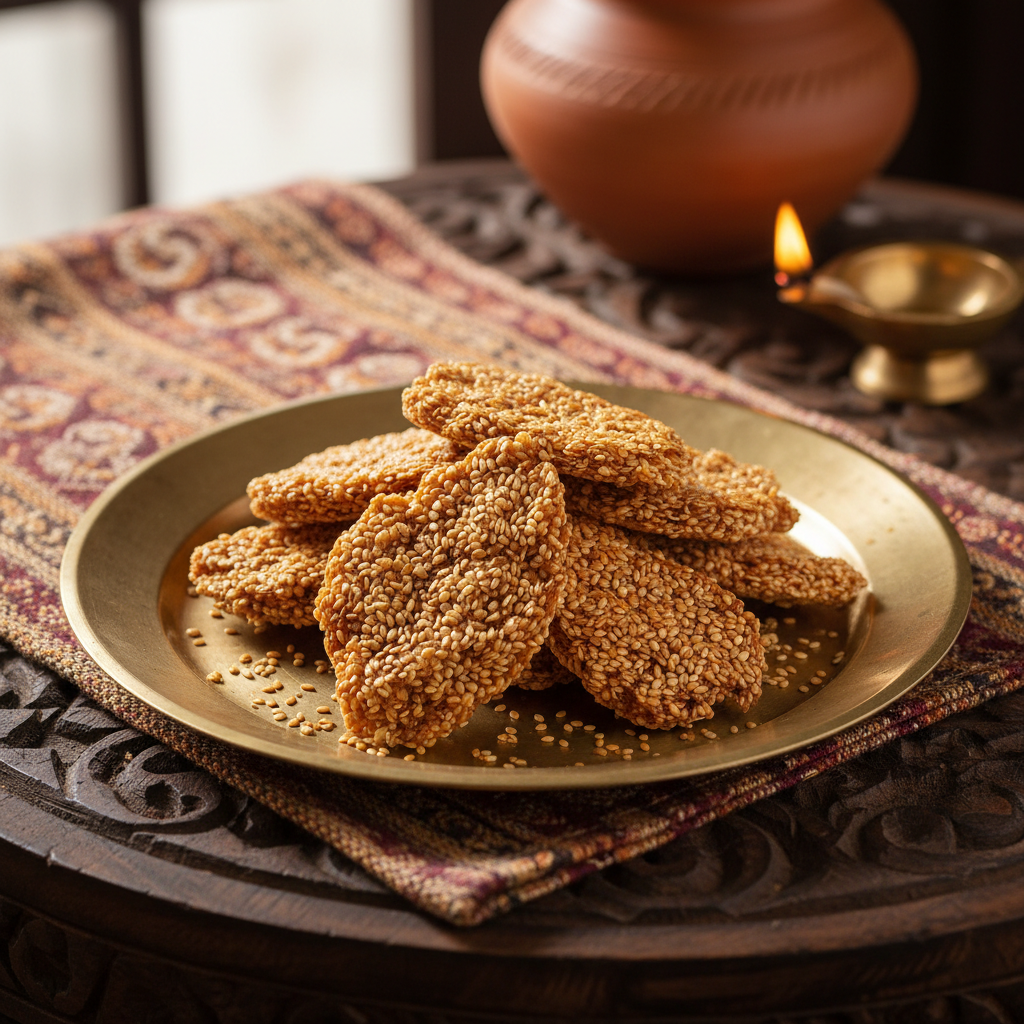
- Appearance: Visible sesame seeds, golden color, slight sheen
- Texture: Crispy with flaky layers, not dense or chewy
- Taste: Balanced sweetness, nutty sesame flavor, no graininess
- Aroma: Roasted sesame and caramel notes
The Sahu Gajak Bhandar Advantage
Our long-standing craft in traditional sweets includes:
- Scientific understanding of processes
- Artisan expertise and intuition
- Premium ingredient selection
- Optimal processing conditions
- Quality control at every step
The result? Gajak that's scientifically perfect and traditionally authentic!
The Perfect Bite
When you bite into our Gajak:
- Initial snap (amorphous sugar structure)
- Flaky layers separate (oil slip planes)
- Sesame flavor releases (oil emulsion)
- Complex sweetness develops (Maillard products)
- Satisfying crunch (low moisture, air pockets)
Every element is the result of precise chemistry, physics, and artisan skill!
Experience scientifically perfect, traditionally made Gajak - order now!