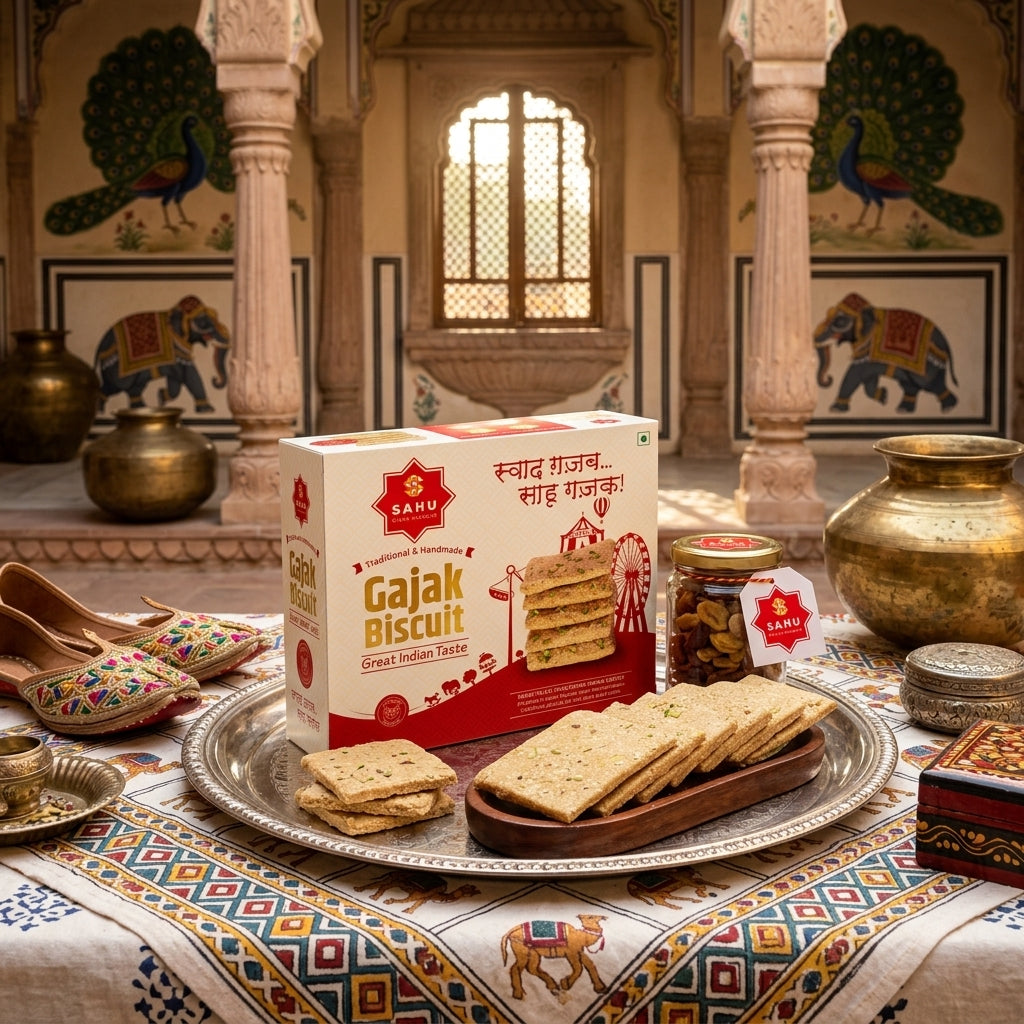

लेख: Traditional Indian Winter Sweets for Makar Sankranti — Complete Guide
Traditional Indian Winter Sweets for Makar Sankranti — Complete Guide
Makar Sankranti is one of India's most important harvest festivals, celebrated on January 14 each year across almost every state, under different names and with different regional traditions. One element is consistent throughout India: the central role of sesame (til) and jaggery (gur) sweets. This guide covers every traditional Indian winter sweet associated with Makar Sankranti, what each one is, how it is made, and where it is eaten.
Why sesame and jaggery at Makar Sankranti?
Makar Sankranti marks the sun's transition into the zodiac sign of Capricorn (Makar) and the beginning of the northward journey of the sun (Uttarayan). It also coincides with the winter sesame harvest across much of India. Sesame seeds generate body heat and are considered warming foods in Ayurvedic tradition, making them appropriate for the cold winter season. Jaggery, made from freshly harvested sugarcane, is also at its best quality in winter.
The famous Marathi greeting for Makar Sankranti — "til gul ghya god god bola" (take sesame and jaggery, speak sweet words) — reflects the cultural meaning of these sweets: an offering of warmth and goodwill at the turning of the year.
Traditional Indian winter sweets for Makar Sankranti
1. Gajak
What it is: A crisp, flaky sweet made from roasted sesame seeds, jaggery and cow ghee. The defining technique is hand-hammering, which creates the layered texture.
How it is made: Sesame and melted jaggery are combined and then hammered for 10–15 hours by artisans using wooden mallets. This releases the natural oils from the sesame and creates the distinctive layered, flaky texture.
Varieties: Gajak Biscuit, Gajak Roll, Gajak Patti, Dry Fruit Gajak, Gajak Barfi, Sugar Gajak.
Where it is from: Rajasthan (especially Sawai Madhopur and Morena region of Madhya Pradesh).
Shelf life: 180 days for Biscuit/Roll/Patti; 120 days for Barfi.
2. Tilkut
What it is: A granular sesame sweet made by repeatedly pounding hulled white sesame seeds with jaggery or sugar into a soft, crumbly texture. Distinct from Gajak in both technique and texture.
How it is made: Hulled sesame seeds are pounded and folded repeatedly rather than hammered flat. The result is a soft, melt-in-the-mouth sweet rather than a crispy brittle.
Regional variants: Rajasthani Tilkut (uses clove as a differentiating spice) and Gaya Tilkut (from Gaya, Bihar, made with unhulled sesame and considered the most famous variant).
Where it is from: Rajasthan and Bihar.
3. Revdi (Rewari / Rewdi)
What it is: Small, round sesame candies made by coating sesame seeds with a hardened jaggery or sugar syrup shell. Each piece is about the size of a large coin.
How it is made: Sesame seeds are tossed in melted jaggery or sugar syrup and tumbled until each seed is individually coated and the syrup hardens around it.
Tradition: Revdi is the sweet most commonly thrown into Lohri bonfires in Punjab and Haryana as an offering. Also widely exchanged during Makar Sankranti.
Where it is from: North India — Punjab, Haryana, Rajasthan, Delhi.
4. Til Ladoo (Sesame Ladoo)
What it is: Round balls made from sesame seeds, jaggery, sugar, cow ghee and cardamom. One of the most commonly made home sweets during Makar Sankranti.
How it is made: Roasted sesame is mixed with melted jaggery, shaped by hand into round balls while warm, and left to set. The addition of cardamom gives Til Ladoo its distinctive aroma.
Where it is from: Across India, especially Maharashtra, Rajasthan and Gujarat.
Shelf life: 90 days.
5. Peanut Chikki (Groundnut Chikki)
What it is: A dense, crunchy sweet made from roasted peanuts and jaggery. One of the most widely available traditional Indian sweets year-round, but particularly associated with winter festivals.
How it is made: Roasted peanuts are folded into a melted jaggery syrup, spread flat on a greased surface, and cut into pieces while still warm. Simpler and quicker to make than Gajak.
Where it is from: Maharashtra (Lonavla is famous for Chikki), but now made across India.
6. Til Barfi (Sesame Barfi)
What it is: A softer, fudge-like sesame sweet made with sesame seeds, jaggery or sugar, and ghee. Less brittle than Gajak and easier to eat for those who prefer a softer texture.
Where it is from: Rajasthan and North India.
Shelf life: 120 days.
7. Til Gul (Maharashtra)
What it is: The Maharashtrian version of sesame-jaggery sweets, made specifically for Makar Sankranti. Til Gul is a broader category in Maharashtra that includes both sesame ladoos and small sesame-jaggery discs. Exchanging Til Gul is the defining Makar Sankranti tradition in Maharashtra.
8. Khichdi (savoury, not sweet)
While not a sweet, Khichdi made from newly harvested rice and lentils is the primary food of Makar Sankranti in Uttar Pradesh, Bihar and Jharkhand. The festival is called Khichdi in these regions. Sesame sweets accompany the khichdi meal.
9. Ellu Bella (Karnataka)
What it is: Karnataka's version of the Makar Sankranti sesame sweet mixture. Ellu Bella is a mix of sesame seeds, jaggery pieces, dry coconut, peanuts, and beaten rice. It is exchanged between neighbours and friends as a symbol of goodwill. The festival is called Sankranti in Karnataka.
10. Pongal (Tamil Nadu)
What it is: The festival of Pongal in Tamil Nadu is the southern equivalent of Makar Sankranti. The primary sweet is Sakkarai Pongal, a dish made from freshly harvested rice, jaggery, milk and ghee, cooked until it overflows the pot — a symbol of abundance. Sesame seeds are used as a garnish.
Makar Sankranti sweets by region
| Region / State | Festival name | Primary sweet |
|---|---|---|
| Rajasthan | Makar Sankranti | Gajak, Tilkut, Revdi, Til Ladoo |
| Punjab / Haryana | Lohri (January 13) | Revdi, Gajak, Peanut Chikki |
| Maharashtra | Makar Sankranti | Til Gul (sesame ladoo + discs) |
| Gujarat | Uttarayan | Til Chikki, Undhiyu (savoury) |
| Karnataka | Sankranti | Ellu Bella mix |
| Tamil Nadu | Pongal | Sakkarai Pongal |
| Andhra / Telangana | Sankranti | Ariselu (rice and jaggery) |
| UP / Bihar | Khichdi / Sankranti | Tilkut, Til Ladoo, sesame chikki |
| West Bengal | Poush Sankranti | Pithe (rice flour sweets with jaggery) |
Buying traditional Makar Sankranti sweets online
Sahu Gajak Bhandar (Est. 1875) manufactures traditional Gajak, Tilkut, Revdi, Til Ladoo and Peanut Chikki from Village Menpura, Sawai Madhopur, Rajasthan. All products are FSSAI-certified (Licence No. 12219038000139) and free from preservatives and liquid glucose. Available at sahugajak.com with pan-India delivery in 2–5 working days. For bulk and corporate gifting orders for Makar Sankranti, contact us at least 3–4 weeks in advance at +91 73004 56853.